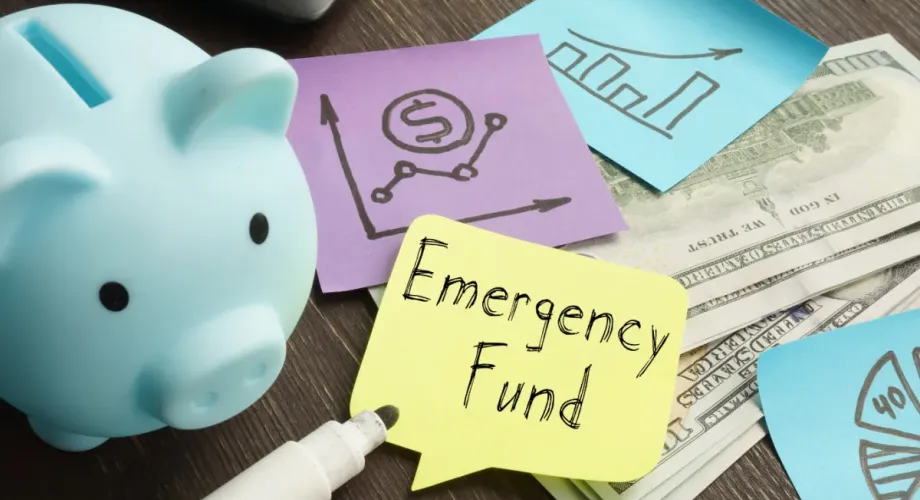
Emergency Fund 101: What It Is and Why You Need One
Life can be unpredictable. From surprise car repairs to unexpected medical bills or job loss, emergencies happen—and when they do, they can throw your finances off track. That’s why having an emergency fund is so important. It’s your safety net, giving you peace of mind and financial confidence, no matter what life throws your way.
At Clarity Financial, we believe every smart financial plan starts with strong protection. And that begins with a well-built emergency fund.
What Is an Emergency Fund?
An emergency fund is money you set aside for life’s “just in case” moments. It’s not for vacations or shopping—it’s there to help cover unexpected expenses without using credit cards or loans.
Why You Need an Emergency Fund
Without an emergency fund, even a small crisis can lead to big debt. But when you have savings in place, you can handle the surprise and stay in control of your finances. It helps reduce stress and gives you freedom to make thoughtful decisions instead of reacting in panic.
How Much Should You Save?
A good goal is to save 3 to 6 months’ worth of living expenses. Start small—maybe $500 to $1,000—and build from there. The exact amount depends on your job stability, income, and family size. If you’re self-employed or have irregular income, you might need a little more.
Where Should You Keep It?
Your emergency fund should be easy to access, but not too easy to spend. A high-yield savings account is a great option. It earns interest while keeping your money safe and available when you need it. At Clarity Financial, we can help you explore the right account options that balance security and accessibility.

When Should You Use It?
Your emergency fund is your financial safety net—but it’s important to know when to actually use it. This fund is meant for true emergencies—those unexpected expenses that you didn’t plan for and that could seriously impact your life or financial stability if not addressed right away.
Here are a few examples of when it makes sense to dip into your emergency fund:
- Car Repairs: If your car breaks down and you need it to get to work or take your kids to school, that’s a valid emergency. Major, unexpected repairs—not routine oil changes or upgrades—are what this fund is for.
- Medical Expenses: Sudden illnesses, ER visits, or procedures that aren’t fully covered by insurance can be stressful and expensive. Your emergency fund helps you handle them without taking on debt.
- Job Loss: Losing your job can be one of the most difficult financial challenges. Your emergency savings can help cover your rent or mortgage, utilities, groceries, and other basic needs while you look for new employment.
- Urgent Home Repairs: If your furnace breaks down in winter, your roof starts leaking, or your water heater dies, that’s an emergency. These are the types of home issues that need immediate attention to keep your living space safe and livable.
It’s important to remember:
If it’s not essential or truly urgent, try not to touch your emergency fund. Things like vacations, shopping sales, or even routine expenses shouldn’t be covered with this money. The goal is to have this fund available when life really surprises you—so you’re protected without having to rely on credit cards or loans.
How to Build Your Emergency Fund
Building an emergency fund might feel overwhelming at first—but it’s absolutely doable, even if you’re starting from scratch. The key is to take small, steady steps that add up over time. Here’s how to get started:
1. Set a Clear Goal
Think about what a true emergency would cost you. A good starting goal is to save at least $1,000 for small unexpected expenses. From there, aim to build up three to six months’ worth of living expenses. That way, you’ll have enough cushion to cover your rent or mortgage, food, utilities, and other essentials if life throws you a curveball. Clarity Financial can help you figure out the right number based on your lifestyle and needs.
2. Automate Your Savings
Make saving easy by setting up automatic transfers. Choose an amount you’re comfortable with—even if it’s just $25 a week—and schedule it to move from your checking account to a separate emergency fund. Automating your savings means you don’t have to think about it, and your fund grows in the background.
3. Cut Back Where You Can
You don’t have to completely overhaul your lifestyle to start saving. Just look for simple ways to spend less. Maybe it’s skipping takeout once a week, canceling a streaming service you never use, or brewing coffee at home. Those small changes can free up money that adds up fast.
4. Celebrate Milestones
Saving money takes discipline—so celebrate your progress! Every time you hit a goal (like your first $100, $500, or $1,000), give yourself a high-five. Maybe even write down what it means to you to have that safety net. Feeling proud of your progress keeps you motivated to keep going.
Final Thought:
An emergency fund is more than just money—it’s a foundation for financial peace and stability. It helps protect everything you’ve worked so hard to build. Whether you’re just starting your savings journey or want to improve your financial safety net, Clarity Financial is here to support you.
We’ll help you create a personalized financial plan that includes smart saving strategies, protection planning, and long-term financial goals. Because peace of mind starts with being prepared—and that starts with your emergency fund.